Play Stealing The Diamond, a fun point-and-click adventure puzzle game you can enjoy instantly in your browser. No Download, Free to Play, and playable on PC, mobile, and tablet. :contentReference[oaicite:0]{index=0}
Genre: point-and-click adventure puzzle | No Download | Free to Play
Stealing The Diamond is built around a simple idea: you are trying to pull off a clean heist, and every decision changes what happens next. Instead of long levels, you get short scenes where you choose an action, watch the outcome, then try again if it backfires. :contentReference[oaicite:1]{index=1}
Because the game is decision-driven, it fits nicely if you like quick experiments and branching results. It also matches well with tags like steal, thief, and point and click, where the fun comes from picking an option and living with the consequences. :contentReference[oaicite:2]{index=2}
A big reason people enjoy Stealing The Diamond is that failure is part of the entertainment. Wrong choices are not just a reset, they are often the fastest way to learn what the game is really asking you to notice in a scene.
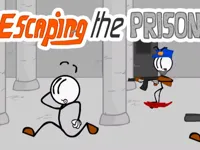
It also works well in short sessions. You can play a few outcomes, stop, and come back later without forgetting any complicated controls. If you like this style, you will probably also enjoy escape and chase themes like Escaping The Prison, where choices and timing matter more than grinding. :contentReference[oaicite:3]{index=3}
Start the game, read the scene, and choose one of the available actions. In most moments you are selecting a tool, a plan, or a quick move, and the game responds immediately with an outcome. The goal is to find the sequence of decisions that gets you closer to the diamond, without getting caught or stuck.
When you are unsure, play slower and treat each choice like a clue. Look for hints in the situation, like what an enemy might do next, where an alarm could be triggered, or which option looks too risky for the current moment. Players who enjoy problem-solving loops often browse puzzle and escape tags for more games that reward careful picks over fast clicking. :contentReference[oaicite:4]{index=4}
In Stealing The Diamond, the core loop is decision, result, retry. Each scene presents a handful of actions and you choose one to see how the plan plays out. Some paths end quickly, while others open up new moments that demand another choice.
Difficulty usually increases in a quiet way. Early scenes tend to be obvious, but later choices can look equally reasonable, so you need to learn what the game considers “safe” versus “flashy.” If you rush, you will often pick the option that would work in an action movie, not the one that makes sense in the situation. That is why it feels closer to logic games than to pure reflex gameplay. :contentReference[oaicite:5]{index=5}
Another interesting part is replay value. Because outcomes are short, you are encouraged to explore multiple routes just to see what happens, even after you find a successful run. This is the same kind of “try every option once” energy you find in many stickman titles, where the humor and surprises are tied to experimentation. :contentReference[oaicite:6]{index=6}
Stealing The Diamond stands out because it turns trial and error into the main gameplay, not a penalty. You are not memorizing long patterns, you are learning what kind of plan fits the moment, and that creates a satisfying “I get it now” feeling when a route finally works.
It is also a good fit for players who like playful problem solving. You can approach scenes cautiously, or you can deliberately pick risky options just to see the result, then adjust. If you want a related theme with more pursuit energy, Robber And Cop scratches a similar itch while focusing more on chase pressure. :contentReference[oaicite:7]{index=7}
Slow down when options look similar: In Stealing The Diamond, the hardest moments are the ones where two choices feel reasonable. Take an extra second to think about what could go wrong, like noise, guards, or a trap response.
Use “bad” outcomes as a map: If a choice fails, note why it failed. Did it alert someone, waste time, or put you in the open. That cause often points to the kind of tool or plan you should try next.
Try extremes first when exploring: When learning a new scene, test the most cautious option and the most aggressive option early. You quickly learn the boundaries, then you can look for a balanced pick that fits the situation.
Do a clean sweep run: After you find a winning route, replay and try a few alternatives just to confirm what was essential. This helps you understand which decisions are truly required, and which are just one of several valid solutions.
If you want more games where planning matters, the adventure tag is a solid place to look for similar pick-and-see formats and short story-driven moments. :contentReference[oaicite:8]{index=8}
If Stealing The Diamond is not working properly, try this:
These games match the same quick decision loop and light puzzle pacing, where you learn by trying options and seeing how the scene reacts.
Yes. You can play Stealing The Diamond in your browser for free, so it is easy to start on a laptop or desktop without installing anything.
Stealing The Diamond is a choice-based adventure puzzle where you pick actions during short scenes to attempt a heist. Each decision leads to an immediate outcome, and you retry to find a successful route while exploring alternate results.
Press start, read the scene, then select one of the available actions. If the result fails, replay and choose a different option, using the failure to guide your next attempt.
Yes, Stealing The Diamond is free to play online.
In Stealing The Diamond, aim to learn one scene at a time. Try a cautious option first, then a risky one, and pay attention to why each outcome fails. Once you understand the main risk in the scene, the correct choice becomes much clearer.
You can play Stealing The Diamond on NiaGames in your browser.
No. It runs in your browser, so you can play right away without downloads or extra installers.
Yes. Stealing The Diamond works well on phones and tablets because the inputs are simple taps on choices, making it easy to play in short sessions.