Finding games your child can enjoy without constant worry is possible, but it helps to have a clear process. This guide is built for parents who want safe browser games that feel age-appropriate, don’t push risky clicks, and fit real family routines.
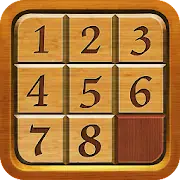
If you want a simple starting point, browsing calmer categories like Puzzle Games can narrow the choices quickly. You can also use tags such as Family to spot games that are often easier to enjoy together.
Even the best pick can turn stressful if the device is wide open. Before you judge a game, set the basics: keep the browser updated, use a child profile when available, and turn on built-in screen time limits on the device.
It also helps to make a simple household rule: games happen in shared spaces, not behind closed doors. That one habit reduces surprise content and makes it easier for kids to ask for help when something confusing pops up.
When parents say they want safe browser games, they usually mean three things at once: the content is suitable, the site behavior is reasonable, and the game doesn’t pressure the child into spending or oversharing.
Safe browser games also feel predictable. A child can play without getting pulled into random chat requests, fake prize pages, or confusing download prompts that lead away from the game.
Use this quick checklist the same way every time. It keeps decision-making consistent, and it’s faster than trying to “feel out” a game after problems start.
You don’t need to play for an hour to spot most issues. This quick routine works well when you are sorting through safe browser games for school nights or weekend play.
If you are sorting through a lot of choices, start from curated lists. Browsing Featured Games can help you find popular picks to test, while New Games is useful when your child wants something fresh and you want to preview it first.
Tags can also act like filters. A tag such as Puzzle can lead to games with clear goals and clean stopping points, while Casual often signals simpler sessions that are easier to supervise.
When parents ask for safe browser games, it helps to start with games that are straightforward, low-pressure, and easy to pause. These examples lean toward learning, creativity, or classic thinking skills, and they are good candidates for a quick parent preview.
If your child prefers to play alone, the 1 Player tag can be helpful. For kids who like art-style games, browsing the Drawing tag can point you toward more creative choices with less social risk.
After your own quick check, do a short “co-play” session. Sitting together for ten minutes often shows what reviews and screenshots can’t, especially if safe browser games are a new habit in your home.
Watch how your child responds to ads, timers, and rewards. If they get frustrated, rushed, or start clicking wildly, switch to a calmer type of game and set a simple rule like “ask before clicking anything outside the play area.”
Most issues come from predictable patterns, not from one bad decision. Avoid these common missteps and you will spend less time troubleshooting and more time enjoying play that fits your family.
Start by watching one full session yourself, then do a short co-play. Look for tone, language, and whether the game stays consistent as it gets harder, because surprises later on are common.
Not always, but the style matters. If ads look like gameplay buttons, pop up constantly, or lead away from the game, it’s usually better to pick a different option.
For younger kids, it’s safest to avoid open chat entirely. If you allow it for older kids, keep play in shared spaces, set clear rules about sharing personal info, and prefer games where communication is limited.
It’s smart to re-check occasionally, especially if you notice new pop-ups, different ad behavior, or changes in the interface. Even safe browser games can feel different over time, so a quick two-minute preview every so often keeps surprises down.
Pick a rule your child can understand and you can enforce consistently. Many families do best with short blocks (like 10 to 20 minutes) and a clear “stop after this round” routine, rather than open-ended play.
How Parents Can Choose Safe Browser Games for Kids comes down to repeatable habits: a quick preview, a consistent checklist, and a calm plan for stopping. When you keep those basics steady, safe browser games become much easier to find and much easier to manage at home.