Play Stacklands, a fun strategy card game you can enjoy instantly in your browser. No Download, Free to Play, and playable on PC, mobile, and tablet.
Genre: strategy card | No Download | Free to Play
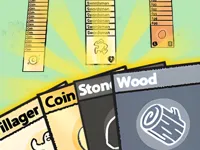
Stacklands is a clever mix of village management and card stacking, where every resource, person, and building is a card you can move around. Your main job is to keep a small settlement running by creating food, gathering materials, and expanding what your village can do, all while balancing the space on your board.
The fun comes from experimenting with combinations. A simple pile can turn into something useful, and one smart setup often solves several problems at once. If you enjoy planning and making trade-offs, this game fits naturally alongside other Strategy Games.
Because the loop is built around dragging and combining, it also feels like a light Card experience rather than a heavy menu simulator. Most actions are quick, but the decisions stay meaningful, especially when you are short on food or trying to build toward a new production chain.
Players tend to like how simple it is to understand and how many small decisions it packs into each minute. You can look at the board and immediately know what is urgent, like feeding villagers, but you still have room to plan upgrades and longer-term goals.
The stacking system is satisfying because it turns trial and error into progress. When a combination fails, you usually learn something about timing, order, or what you should prepare first. That feeling of discovery makes Stacklands stick, especially for people who enjoy Strategy games without long tutorials.
It is also comfortable as a solo browser game. If you want something you can play at your own pace, it works well as a 1 Player experience with short sessions that still feel productive.
Start by scanning your board and finding your basic needs: food production, materials, and enough space to keep stacks organized. In Stacklands, a messy board is not just cosmetic, it can hide important cards and make you miss deadlines like hunger cycles.
Drag cards onto other cards to test combinations, then keep the results you can repeat reliably. When you discover a useful chain, try to set it up so it runs with minimal extra clicks. This is the easiest way to create steady progress instead of reacting to emergencies every turn.
If you are playing on a phone, the touch controls usually feel natural because the core action is dragging. The game also fits nicely with quick play breaks, which is why it pairs well with Mobile browsing.
The core loop is simple: collect cards, stack them to create new results, and keep your villagers alive while you build up your settlement. You might start with basic sources of food and wood, then move into more advanced production like crafting, cooking, or building structures that open new options. Many actions create temporary cards you must manage carefully so they do not clog the board.
Objectives usually come from survival pressure and growth goals. Hunger forces you to produce food regularly, while new packs and unlocks tempt you to expand your economy. As you progress, you may need to juggle multiple production chains at once, which increases difficulty through tighter timing, higher resource costs, and more chances to waste a turn. That is where Stacklands becomes less about random stacking and more about planning a stable system.
What makes the experience special is how fast the feedback loop is. You can try a new combo, see the result, and adjust your layout right away. Even when a run goes wrong, you often understand why, such as spending resources too early, letting food fall behind, or building something without a way to support it. It is a great fit for players who like experimenting, similar to puzzle-like decision making you might find in Puzzle Games.
Since the game is card-based, small habits matter. Group related stacks together, keep open space for new drops, and prove a chain works before you scale it up. When you do this well, Stacklands feels calm and controlled. When you do not, it turns into a scramble where one missed food cycle can spiral into multiple losses.
Unlike many management games that hide systems behind menus, Stacklands keeps everything visible on the board. That makes it easy to understand what you have, what you are missing, and what you should do next, even after a short break.
The best moments come when your plan finally clicks. A messy cluster becomes a clean setup that feeds your villagers and generates extra materials at the same time. If you enjoy building and improving small systems, it matches the same practical vibe as Build focused games, but in a lighter format that is easy to restart and refine.
Keep food in front of everything else. When you are learning, aim for a steady rhythm where you can feed villagers without thinking too hard, then spend the extra time improving your economy. In Stacklands, most collapses start because food slipped for a turn or two while you chased upgrades.
Organize your board into zones. Put food and farming on one side, materials like wood and stone on another, and keep a clear area for experimenting with new cards. This reduces misclicks and helps you spot shortages early.
Do not scale too fast. It is tempting to create more villagers or build big structures right away, but each expansion increases what you must support. A smaller, stable setup often outperforms a larger, chaotic one, especially when you are still learning what each stack can produce.
Use short cycles to test new chains. When you unlock something new, try it once with minimal resources before committing. If it is valuable, then build the supporting pieces and make it part of your routine. This cautious approach keeps Stacklands from turning into a resource sink.
When you hit a wall, focus on one bottleneck. If wood is limiting your progress, solve wood first, not three problems at once. Clear bottlenecks are easier to fix, and once they are gone, everything else speeds up naturally.
If you like survival-style planning, treat every turn as a budget. Spend only what you can replace quickly, keep a small reserve for emergencies, and expand when you are certain your food loop can handle it. That mindset fits well with Survival pacing.
If Stacklands is not working properly, try this:
If you like the same idea of managing resources, making upgrades, and improving a plan over time, these picks match the strategy-first pace.
Yes. You can play Stacklands in your web browser on a computer with no download required.
Stacklands is a strategy card management game where you drag, stack, and combine cards to run a small settlement, produce resources, and keep villagers fed as the challenge grows.
Begin by producing reliable food, then gather basic materials and keep your board organized. Once your basics are stable, experiment with new stacks to discover better production chains.
Yes, Stacklands is free to play online.
Prioritize food first, group your cards into zones, and avoid expanding faster than your economy can support. A steady setup makes mistakes easier to recover from.
You can play the game on NiaGames directly in your browser on PC, mobile, or tablet.
No. Stacklands runs online in your browser, so you can start playing without installing anything.
Yes. Stacklands works on many mobile and tablet browsers, and the drag-and-drop style control usually feels natural on touchscreens.